
Subtotal $0,00

- 01. FIBER OPTIC ACTIVE COMPONENTS
- 02. PRECONNECTORIZED SOLUTIONS
- 03. OPTICAL FIBER CABLE
- 04. FTTx SOLUTIONS
- 05. FIBER OPTIC CONNECTIVITY
- 06. OPTICAL INSTRUMENTS
- 07. DATACENTER SOLUTIONS
- 08. TOOLS
- 09. RF and WIRELESS COMPONENTS
- 10. FIBER OPTIC CABLE HARDWARE
- 11. SOLAR ENERGY
- 12. SMC UNDERGROUND INFRASTRUCTURE
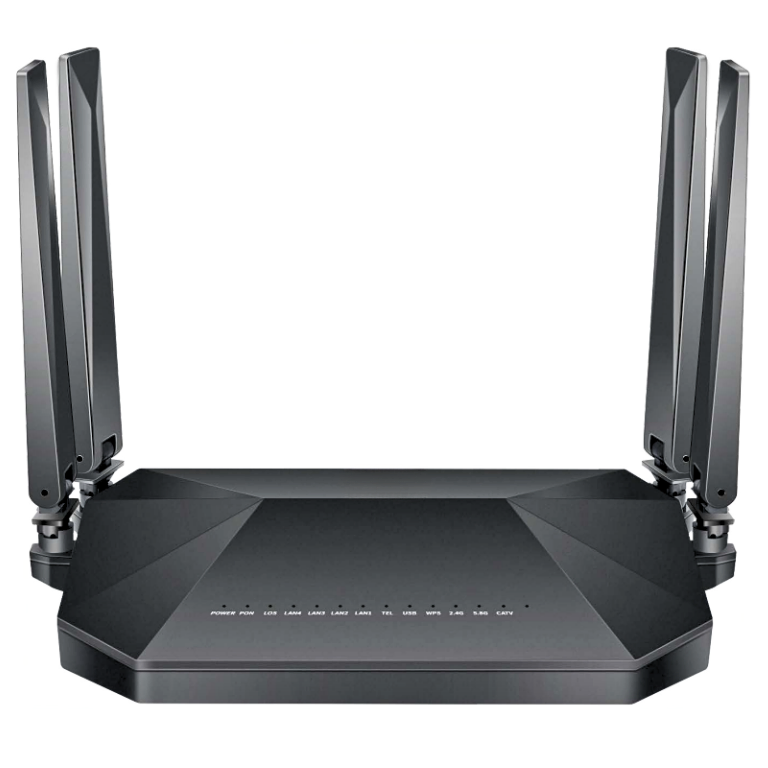
FAB-889YS ONU XPON con Wi-Fi Doble Banda y 2 Puertos GE
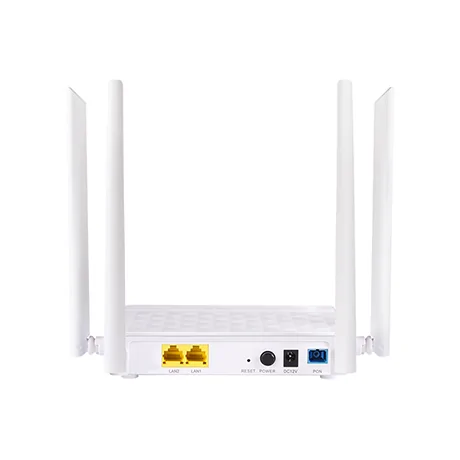
- Model: FAB-889YS
XPON ONU with dual-band AC1200 Wi-Fi and 2 GE ports, perfect for flexible FTTH deployments | Model FAB-889YS
- Tags: AC1200 Router, Dual-Band ONU, FTTH ONU, Gigabit ONU, XPON ONU
- Categories: 01. FIBER OPTIC ACTIVE COMPONENTS, 1.1 ONU
- Description
- Features
- Technical Specifications
Description
The FAB-889YS from Fibramérica is a high-efficiency XPON ONU designed for modern FTTH networks, combining the best of EPON and GPON technologies in a single, auto-adaptive device. It features dual-band AC1200 Wi-Fi and two Gigabit Ethernet ports to deliver fast and stable connections across multiple devices.
Its compact form factor and low power consumption make it ideal for space-sensitive installations and energy-conscious operations. The ONU supports Layer 2 switching and Layer 3 routing, empowering ISPs with advanced features like VLAN tagging, bandwidth management, and QoS to prioritize essential traffic.
With broad interoperability—compatible with more than 95% of OLTs including Huawei, ZTE, and Fiberhome—the FAB-889YS simplifies deployment while enhancing performance and reliability. It is engineered to meet the dynamic needs of residential and light commercial FTTH users.
Whether you're deploying in urban fiber networks or expanding rural broadband access, the FAB-889YS offers robust functionality, simple integration, and dependable connectivity.
Features
XPON auto-detection (EPON/GPON)
Dual-band AC1200 wireless performance
2 x Gigabit Ethernet ports
Advanced Layer 2/3 routing features
Bandwidth control, VLAN, and QoS support
Broad compatibility with market-leading OLTs
Compact and low-power design
Technical Specifications
| Specification | Details |
|---|---|
| Model | FAB-889YS |
| PON Type | XPON (EPON/GPON auto-adaptive) |
| Wi-Fi | Dual-band AC1200 (2.4GHz & 5GHz) |
| LAN Ports | 2 x GE RJ45 |
| Routing | Layer 2/3 support |
| QoS/VLAN | Supported |
| Power Supply | DC 12V |
| Power Consumption | ≤4W |
| Compatibility | Huawei, ZTE, Fiberhome, etc. |
FAB-889YS, XPON ONU, dual-band AC1200, FTTH ONU, 2 GE ports, EPON GPON ONU, Layer 3 router
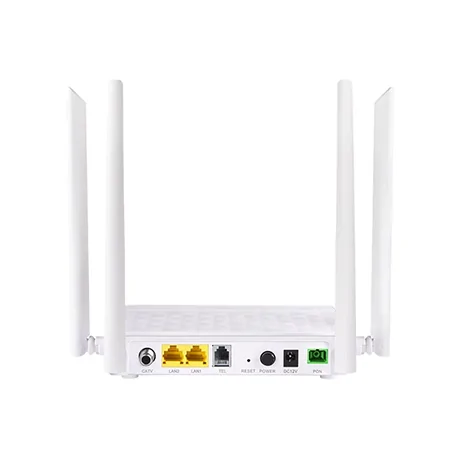
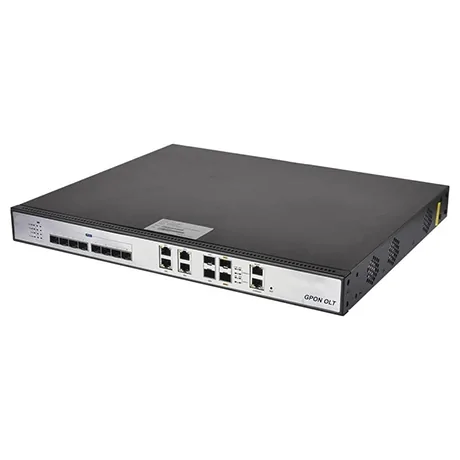
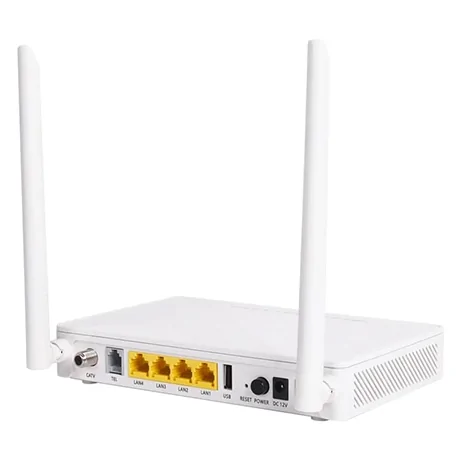
Every Fibramérica connection is a commitment to excellence and the future of telecommunications
- Home
- 01. FIBER OPTIC ACTIVE COMPONENTS
- 1.1 ONU
- FAB-889YS ONU XPON con Wi-Fi Doble Banda y 2 Puertos GE